
What This Is About
“Dutch surfers are a funny lot. They have an uncanny ability to ignore whatever weather pattern happens to have set itself loose upon the country that day and go surfing regardless. It could be 1-foot, 8 degrees, onshore with squall-like conditions and a handful of Dutchies dressed head to toe in 5/4s will be sitting out in the line-up with smiles on their faces.”
— Tracks Magazine: Going Dutch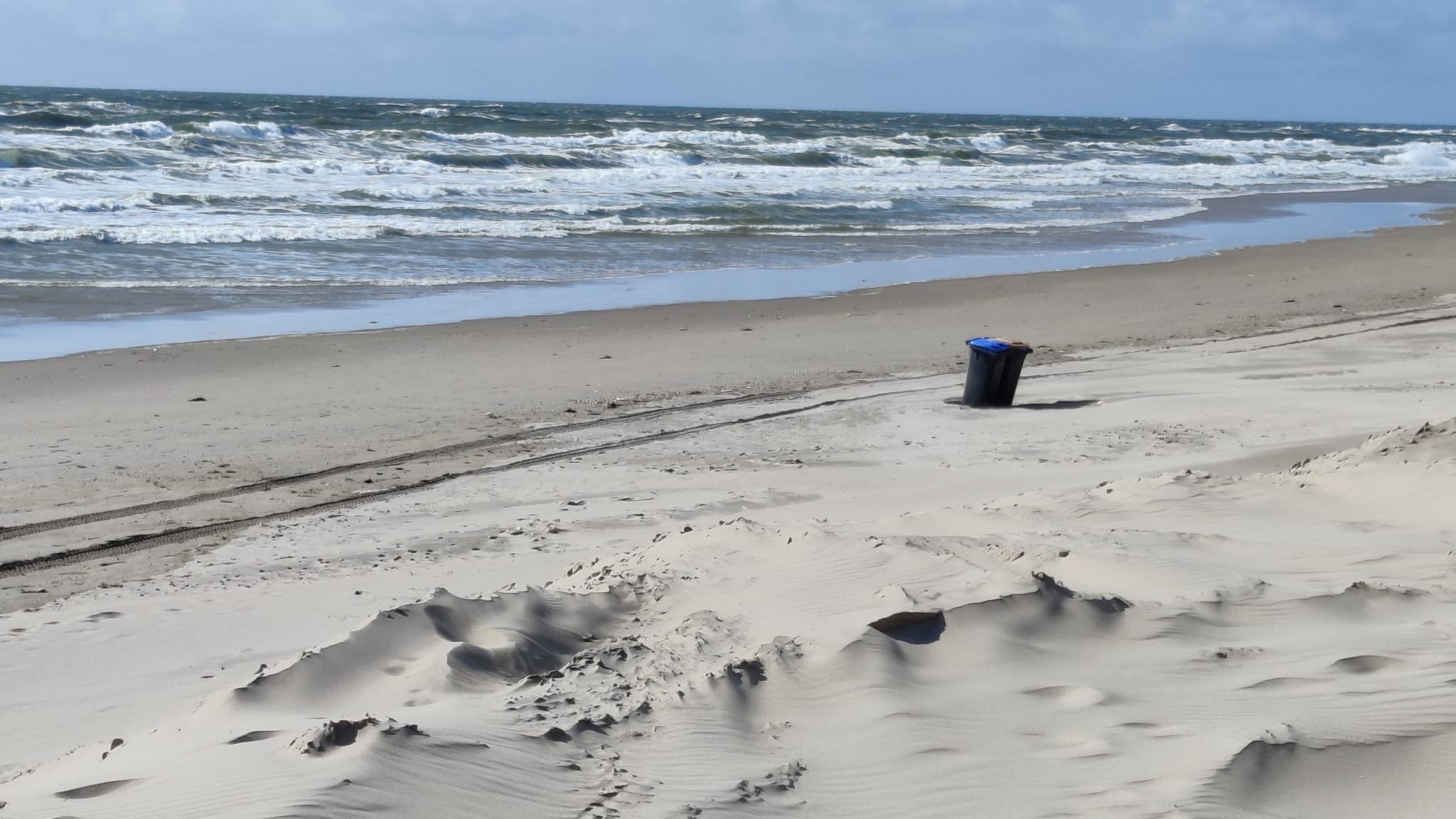
The name The Onshore Patrol is a nod to the relentless onshore winds we get in the Netherlands, combined with the classic dawn patrol. In my book, anything below Beaufort 6 winds and above one meter on the IJ-boei is considered surfable.
I’m a father of three living in a town with a surprisingly large surf community. We have about 50 or so active members during the spring and summer, but during the winter months, only about 10 of us are still going strong. Given my family life, the Dutch surf conditions, and that pesky thing called “work,” I will put in hundreds of hours just to be completely below average at surfing, especially when compared to an intermediate who has access to actual, good waves.
That, however, does not stop me from training like a surfer in the gym and at home, doing infinite amounts of pop-ups in the hope of finally building the muscle memory to perfect it. Want to compare your surfing journey with mine? Check my journey out here.
Now that I’m in my late 30s, I finally have some disposable income to buy surf equipment. Because as every surfer knows: it’s never them, and it’s never the waves—a new surfboard will always fix their surfing. So go on, buy that third surfboard. It will be the greatest fifth surfboard you own in your twenty-board quiver. Check out my ever changing quiver here.
Why Reviews?
The problem is, my experience has been that most surfboard reviews are created by 60kg (former) pro surfers riding perfect waves, talking about release in snaps and other advanced moves. I am an intermediate surfer who always wants to push my limits to improve, but I have no illusions that I will ever come close to those levels of surfing—or their weights, for that matter 🍺.
This is why I wanted to fill a gap I often find when checking out new boards: reviews of boards surfed in crap conditions by average intermediate surfers. That is why The Onshore Patrol was created.
It's a place to share as much as I can about my experiences on certain boards and using different accessories. At the same time, I want to share what I do to keep myself surf-fit and try to improve even when there are no waves, as well as share my experiences when surfing on trips. Check out my reviews for honest, no-bullshit insights where I share exactly how it went.
To help keep this project going, some of my content will contain affiliate links where I try to generate some income so I can keep buying new boards to test and review. I will also occasionally sell my reviewed products if anyone wants to get their hands on a second-hand board or set of fins.
But why surf in such crappy conditions?
Can’t you just go do a windsport like kiting or foiling? Well, no. Been there, done that—surfing is just way more fun.
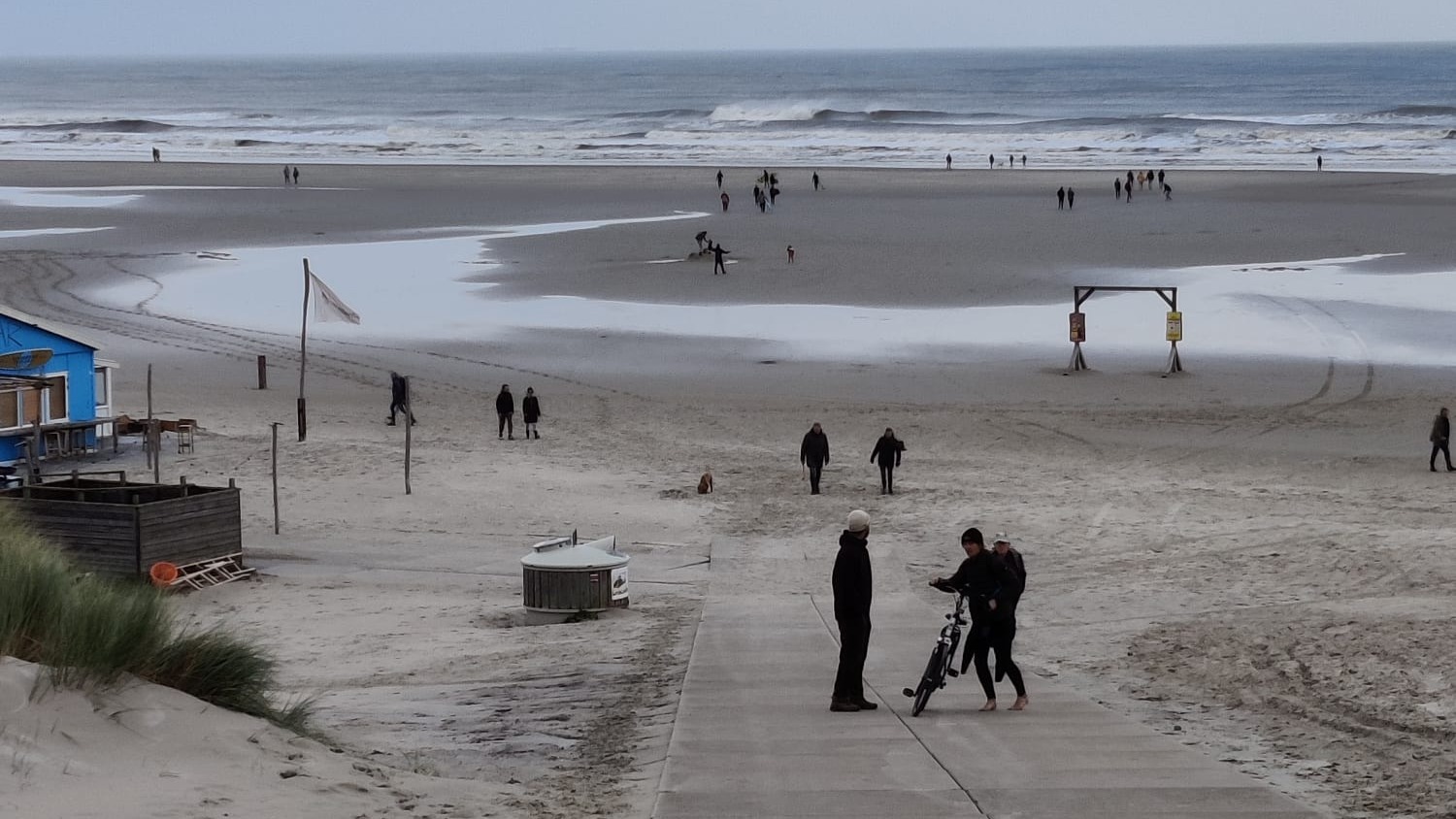
Yes, the waves are usually shit (except for those one or two perfect days a year where all the planets align), but there is a major upside to this. The absolute best thing about being a Dutch surfer is that wherever you go in the world, the conditions will always be better than what you’re used to. Onshore winds in Indo, France, or the Maldives? To me, that sounds like perfect surfing. Best upside? Those snobby surfers that are used to clear blue glassy waves won’t paddle out when it’s onshore, leaving the Dutch surfer with an empty line-up.